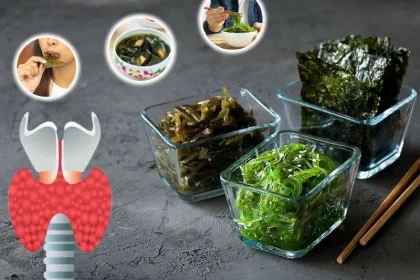


Dried seaweed has become a familiar snack not only in Korea and Japan, but also in many Vietnamese homes. Still, many people wonder: does dried seaweed cause internal heat? This question comes up even more often with seasoned ready-to-eat seaweed that is salty, spicy or rich in oil. Let Bách Gia Food walk you through the answer in a simple and practical way.
1. Does dried seaweed make the body hot?
The short answer is: No. Seaweed is naturally cooling rather than heating.
From a traditional perspective, seaweed grows in the cool ocean and is often considered a food with a cooling character. From a nutrition point of view, it is rich in minerals, fibre and natural compounds that support a balanced diet.
Why do some people feel “hot” after eating seaweed?
The feeling usually does not come from seaweed itself. It often comes from the ingredients added during seasoning.
- Spicy seasoning: chilli, pepper, garlic and fried toppings can create a warming feeling.
- Too much salt: heavily seasoned seaweed may make you thirsty or uncomfortable.
- Eating too much: seaweed is high in iodine, so moderation is important, especially for people with thyroid concerns.
2. The truth about detoxing and cooling support
Seaweed is loved because it is tasty, convenient and naturally refreshing. It also contains fibre and minerals that support the body’s cleansing process.
Detox support
Seaweed contains alginate, a type of fibre that may help bind certain unwanted substances in the digestive tract and support natural elimination. This helps reduce pressure on the body’s filtering organs when combined with a healthy lifestyle.
Cooling and refreshing the body
Thanks to its minerals and fibre, seaweed can be a light, refreshing food choice. When eaten in reasonable portions, it fits well into a clean and balanced diet.
3. Golden benefits of dried seaweed
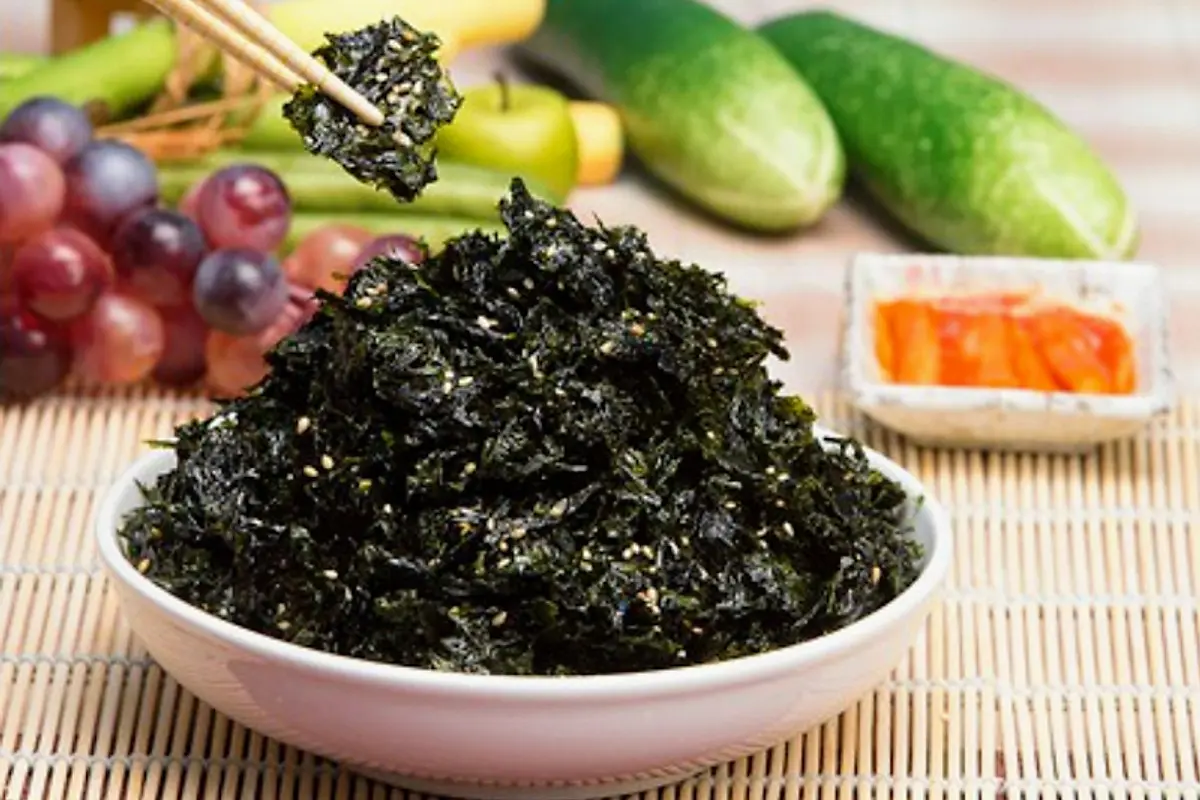
Dried seaweed is low in calories, rich in fibre and naturally full of minerals. It can support digestion, help you feel full for longer and add a savoury ocean flavour to meals without making them heavy.
It also contains nutrients such as iodine, calcium, magnesium and antioxidants. These nutrients are helpful when seaweed is used properly as part of a varied diet.
4. How to choose tasty, clean dried seaweed
- Choose products with a clear origin.
- Prioritise moderate seasoning instead of overly salty or oily options.
- Look for a crisp texture, natural colour and fresh aroma.
At Bách Gia Food, we focus on preserving the natural flavour of seaweed while keeping the snack light, crispy and easy to enjoy every day.

5. Notes for eating dried seaweed properly
A reasonable amount for most people is about 5-10g of dried seaweed per day. People with thyroid conditions or iodine restrictions should consult a healthcare professional before eating seaweed regularly.
Conclusion
Dried seaweed does not naturally cause internal heat. The key is to choose a clean, well-seasoned product and enjoy it in a moderate amount. If you want a snack that is tasty, light and convenient, dried seaweed is a smart choice.